Safety First: RWASJ Strengthens Humanitarian Security Standards in Bamenda
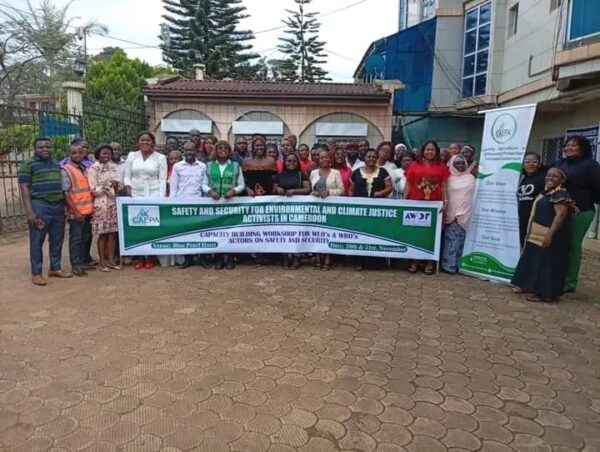
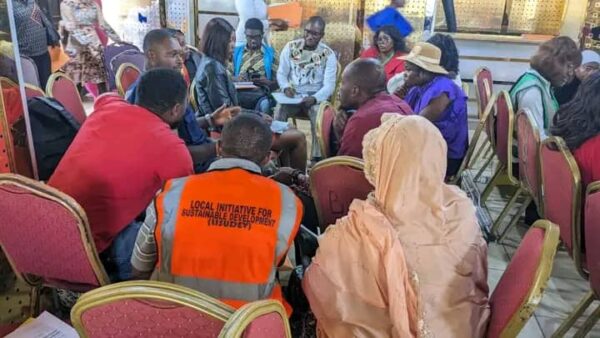
In an era of increasing complexity for aid work in the North West Region, RWASJ is taking proactive steps to ensure our team can deliver justice and sustainability safely. From November 20–21, 2025, RWASJ delegates joined a specialized two-day training titled “Strengthening Safety and Security for Humanitarian Workers,” organized by the Community Agriculture and Environmental Protection Association (CAEPA).
The workshop addressed a critical gap in the local civil society sector: the transition from verbal security understandings to documented, standard operating procedures.
Equipping the Frontlines
The intensive program covered high-stakes topics essential for field operations in challenging environments:
Hostile Environment Awareness Training (HEAT): Preparing staff for real-world scenarios including armed conflict and checkpoints.
Risk Mitigation:
- Developing SMART action plans to assess and navigate threats before they arise.
- Emergency Response: Mastering first aid, trauma care, and rapid communication protocols.
- Information Security: Safeguarding sensitive data against cyber threats in a digital age.
A Commitment to Inclusive Security
A core takeaway from the training was the necessity of gender inclusion in security planning. At RWASJ, we recognize that women-led organizations face unique risks. By the end of the sessions, our team committed to implementing a formal Safety and Security Policy that accounts for the specific needs of all personnel, ensuring our field operations remain both effective and resilient.